


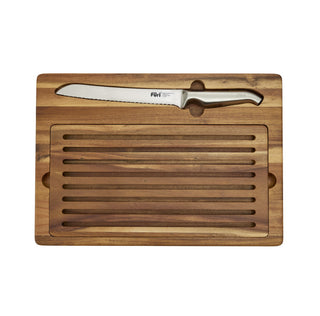


Cutting Boards NZ – Durable Kitchen Prep Surfaces for Everyday Cooking
A quality cutting board is one of the most used tools in any kitchen, providing a dependable surface for chopping, slicing, carving, and food preparation. From quick weekday meals to large family gatherings, the right board helps protect benchtops, maintain knife sharpness, and create a cleaner, more organised cooking space.
🔪 Designed for Everyday Kitchen Preparation
Modern cutting boards combine durability, hygiene, and practicality to support a wide range of kitchen tasks. Whether preparing fresh vegetables, trimming meat, slicing bread, or serving cheese platters, a well-made board improves workflow while helping keep surfaces protected from scratches and wear.
🛡 Protects Kitchen Benchtops
Creates a safe cutting surface that helps reduce marks, scratches, and long-term surface damage.
✂ Helps Maintain Knife Performance
Knife-friendly surfaces help reduce excessive blade dulling during daily chopping and slicing.
🧼 Supports Cleaner Food Preparation
Smooth, easy-to-clean surfaces help minimise food residue build-up between uses.
🍽 Suitable for Prep & Serving
Many cutting boards also double as serving boards for cheese, bread, charcuterie, and snacks.
📊 Choosing the Right Cutting Board Material
Different materials offer unique advantages depending on cooking style, maintenance preferences, and kitchen usage.
| Material | Key Benefits | Ideal Use |
|---|---|---|
| Bamboo | Lightweight, durable, and naturally resistant to moisture absorption | Daily food preparation and general kitchen use |
| Wood | Knife-friendly surface with a premium natural appearance | Chopping, carving, and serving platters |
| Plastic / Polypropylene | Low maintenance and easy to sanitise | Busy households and raw meat preparation |
🥗 Versatile Uses Around the Kitchen
Vegetable Preparation
Suitable for slicing herbs, dicing onions, chopping salad ingredients, and meal prep.
Meat & Poultry Prep
Dedicated boards help improve food handling and reduce cross-contamination risks.
Bread & Baking Tasks
Stable surfaces make bread slicing, pastry prep, and dough work easier.
Serving & Entertaining
Ideal for presenting cheeses, antipasto, charcuterie, fruit, and appetisers.
🧼 Care & Maintenance Tips
Wash cutting boards after each use using warm water and mild detergent. Wooden and bamboo boards should be dried immediately and occasionally treated with food-safe mineral oil to help preserve the surface and minimise drying or cracking over time.
Plastic boards may offer easier maintenance for high-use kitchens, while wooden boards provide long-term durability when properly maintained.
Cutting Boards – Frequently Asked Questions
Which cutting board material is best for everyday use?
Bamboo and wooden cutting boards are popular for everyday kitchen prep due to their durability and knife-friendly surfaces, while plastic boards are convenient for quick cleaning and raw food handling.
How often should cutting boards be replaced?
Cutting boards should be replaced when deep grooves, cracks, excessive warping, or heavy wear begin affecting hygiene or usability.
Can wooden cutting boards go in the dishwasher?
No. Wooden and bamboo boards should always be hand washed and dried immediately to help prevent splitting, swelling, or warping.
Why use separate cutting boards for meat and vegetables?
Using dedicated boards for raw meat and fresh produce helps reduce cross-contamination and supports safer food preparation practices.