


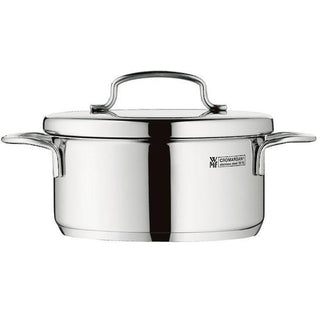

High-Heat Searing
Develop controlled browning and crust formation on meats and vegetables.
Stainless steel cookware is trusted for its durability, cooking control, and long-term reliability across a wide range of kitchen tasks. Suitable for both everyday cooking and advanced techniques, it offers a strong balance of heat responsiveness, structural strength, and versatility for modern New Zealand kitchens.
Our Stainless Steel Cookware NZ collection includes cookware designed for consistent performance, efficient heat distribution, and compatibility with different cooking environments including induction cooktops.
Stainless steel cookware performs best when paired with layered or bonded construction that improves heat transfer and temperature consistency across the cooking surface. This helps reduce hot spots while supporting more precise searing, simmering, sautéing, and reduction cooking techniques.
The non-reactive cooking surface makes stainless steel particularly suitable for acidic ingredients such as tomatoes, wine-based sauces, and citrus components without affecting flavour or food quality.
Develop controlled browning and crust formation on meats and vegetables.
Suitable for regular cooking tasks across multiple meal styles.
Supports soups, pasta, sauces, and slow reduction cooking methods.
Many stainless steel cookware pieces work across induction and standard cooktops.
Stainless steel cookware continues to be widely used because it balances strength, versatility, and cooking control without requiring specialised maintenance. Its ability to handle a broad range of cooking techniques makes it suitable for both beginner and experienced home cooks.
Our stainless steel cookware collection is selected to deliver practical performance, dependable durability, and versatile cooking support across a wide range of kitchen tasks. Whether preparing quick weekday meals or more advanced recipes, these cookware pieces are designed to perform consistently over time.
Allow cookware to cool before cleaning and use warm soapy water with non-abrasive cleaning tools to help maintain the finish. Proper preheating and moderate cooking temperatures can also help minimise sticking during use.
Dry cookware thoroughly before storage to help maintain surface appearance and long-term cooking performance.
Stainless steel is not non-stick, but correct preheating and oil usage can help reduce sticking during cooking.
Many stainless steel cookware products are induction compatible depending on the magnetic base construction.
No, stainless steel surfaces are generally non-reactive and suitable for acidic cooking ingredients.
Proper pan preheating and adding oil at the correct temperature can help create better cooking release during use.